
What Is Trauma, Really?
Many people believe they haven't experienced "real trauma." Explore what trauma actually is, how it affects us, and how healing can begin.

Perfectionism: When High Standards Become a Prison
Perfectionism is not about high standards. It is about believing your worth depends on your performance. And that belief is exhausting to live inside.

The Emotionally Unavailable Parent and the Adult Self
Not all difficult childhoods involve obvious harm. Some are marked by what didn’t happen, the comfort not offered, the feelings not acknowledged. A reflection on emotional unavailability and its long reach.

Back to Routine: When September Feels Like a Fresh Start
September carries a particular energy of fresh starts. But genuine reset is less about a clean break and more about a slightly more honest relationship with where you actually are.

Between Two Languages: When Home Is a Feeling, Not a Place
For people living between languages, home is less a place than a feeling, partial and plural and never quite complete anywhere. A reflection on bilingual emotional life.
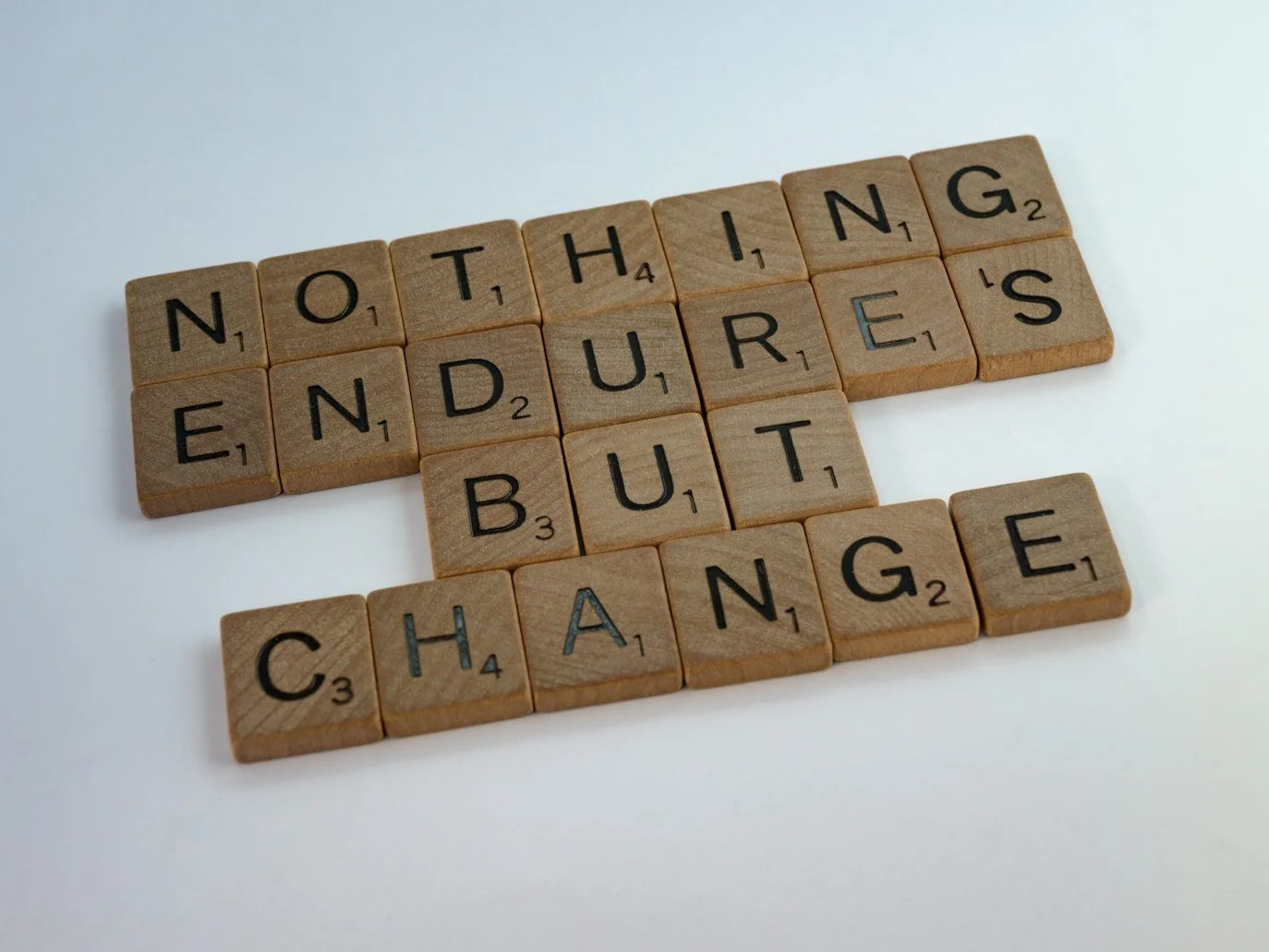
When Everything Changes at Once: Therapy During Life Transitions
Life transitions, chosen or not, almost always involve loss as well as change. Therapy offers a stable space in the middle of instability to find your own footing.

How to Be Kinder to Yourself: A Guide to Self-Compassion
Self-compassion isn’t self-indulgence or weakness. It is one of the most evidence-based things you can do for your mental health, and it is harder than it sounds.

Between Two Worlds: The Immigrant Experience and the Self
The immigrant experience is not a single thing. It is a whole landscape of belonging, loss, identity, and invisible labour that deserves to be taken seriously.

The Grief Nobody Names: When Loss Doesn’t Look Like Bereavement
Not all grief follows a bereavement. The loss of a relationship, a version of yourself, or a future you counted on is real grief too, and it deserves to be named.

The Voice That Says You’re Not Enough: Understanding Your Inner Critic
The inner critic sounds like you, which makes it easy to mistake its judgements for truth. Understanding where it comes from is the first step toward something kinder.

Grief Doesn’t Follow a Timeline
Grief doesn’t move through neat stages or follow a predictable timeline. If yours doesn’t look the way it’s supposed to, you are not doing it wrong.

The Language of Your Feelings: Bilingualism and the Emotional Self
Language and emotion are deeply connected. For bilingual adults, therapy in the right language can make the difference between feeling heard and something essential slipping through the gaps.

What Is ASD, and What Does It Mean for Who You Are?
An autism diagnosis in adulthood raises profound questions about identity. What does it mean for who you are, and what does it not have to mean? A gentle exploration.

How Do You Know When You’re Ready to Start Therapy?
There is rarely a perfect moment to start therapy. If you have been wondering whether now might be the right time, that question itself is worth paying attention to.

Looking After the Counsellor: Why Supervision Matters
Clinical supervision isn’t just a professional requirement. It’s one of the most important ways practitioners stay grounded, ethical, and well in demanding work.

Pride, Identity, and the Therapy Room
Pride Month can be joyful, complicated, or both at once. A therapist who is genuinely affirming holds your whole self with curiosity, not just your identity as a label.

When You Were Taught to Cope Alone: Boarding School’s Long Shadow
Boarding school teaches you to cope alone. But self-sufficiency learned as a survival strategy can cast a long shadow into adult relationships and wellbeing.

The Hidden Homesickness Nobody Talks About
The homesickness of expat life isn’t always about missing a place. Sometimes it’s about missing something harder to name. Therapy online in English or Italian, or in person in Aberdeen.

Taking Action for Your Mental Health: Small Steps That Actually Matter
This Mental Health Awareness Week, the theme is Action. But action doesn’t have to mean something dramatic. Sometimes the smallest step is the most meaningful one.

Late-Diagnosed ADHD: Making Sense of a Life Reframed
A late ADHD diagnosis can bring enormous relief, and unexpected grief. Therapy offers space to make sense of both, at your own pace.